Loading...
janakpurdham
Art & CultureHeritage
Mithila Art Center
Where the ancient tradition of Madhubani painting—created for Sita's wedding—continues through the hands of Maithili women artists.
Established
8th-7th century BCE (tradition)
Entry Fee
Nominal fee
Hours: 9:00 AM - 5:00 PM
Entry: Nominal fee
Location: janakpurdham
History & Heritage
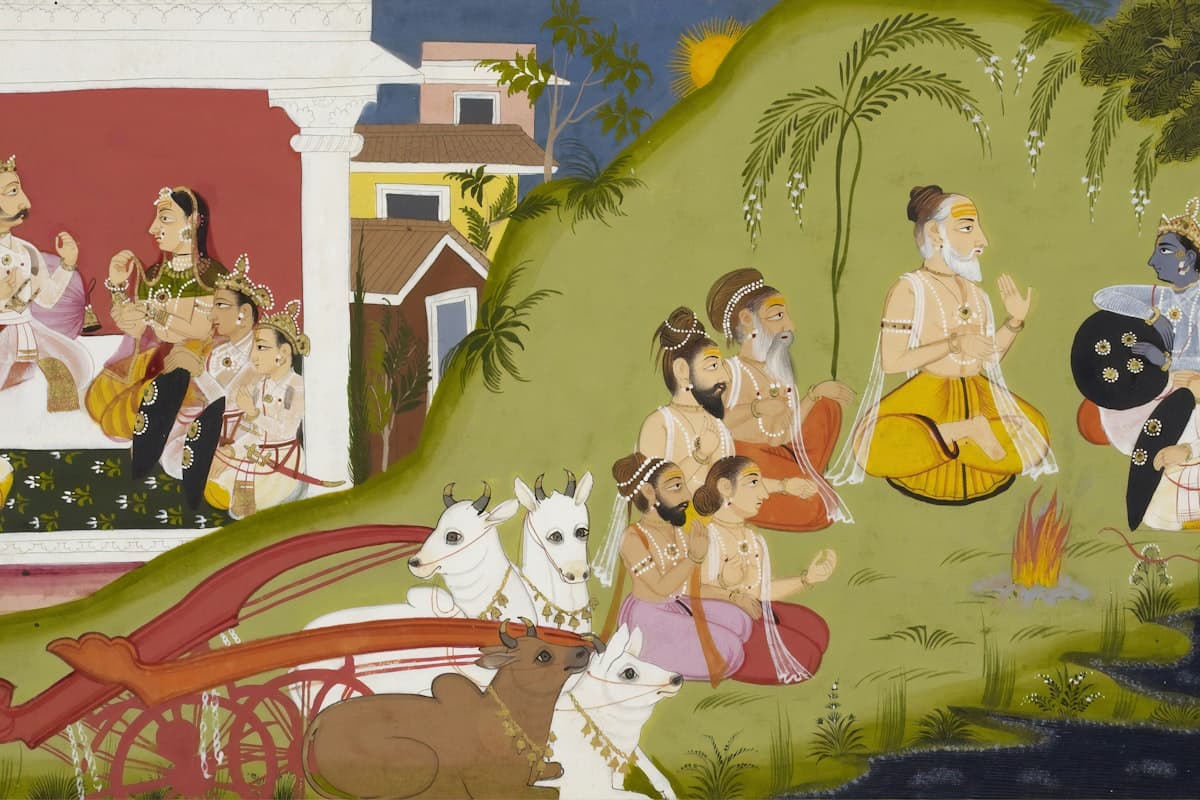
Mithila art, also known as Madhubani painting, represents one of the oldest living art traditions in the world, with origins tracing back to the 8th or 7th century BCE. According to legend, King Janaka of Mithila commissioned local artists to decorate the town of Janakpur with this unique art form for the wedding of his daughter Sita to Lord Rama—making it possibly the world's first wedding decoration tradition.
The art was traditionally created by women of various communities in the Mithila region, passed down through generations from mother to daughter. Originally painted on freshly plastered mud walls and floors of homes, the artwork featured natural dyes and pigments—ochre for reddish brown, lampblack for black—applied with fingers, twigs, brushes, nib-pens, and matchsticks.
Mithila paintings are characterized by eye-catching geometrical patterns and ritual content for occasions like birth, marriage, and festivals including Holi, Durga Puja, and Chhath. The artwork depicts people's association with nature, deities from ancient epics, natural objects like the sun and moon, religious plants like tulsi, royal court scenes, and social events. No space is left empty—gaps are filled with flowers, animals, birds, and geometric designs.
In the 1960s, Madhubani painters began painting on canvas and paper to generate income for women in the impoverished Mithila region. In the 1970s, German anthropologist Erika Moser challenged the notion that the art belonged only to high castes by encouraging Dalit women to create paintings inspired by their tattoos and house designs.
The Janakpur Women's Development Center (JWDC) now provides employment opportunities for about 40 Maithili women, producing paper paintings, boxes, screen-printed fabrics, and hand-thrown ceramics. The art has received Geographical Indication (GI) status, recognizing its unique cultural heritage. Today, Janakpur serves as the center for preservation and promotion of this ancient art form in Nepal.
Cultural Significance
- 1Originated for Sita's wedding (8th-7th century BCE)
- 2Traditional women's art form passed through generations
- 3Received Geographical Indication (GI) status
- 4Janakpur Women's Development Center empowers local women
- 5Featured on walls, now on canvas and paper
- 6UNESCO recognized intangible cultural heritage
Visit This Site
Include Mithila Art Center in your personalized Nepal journey. Our experts will craft the perfect itinerary.
Plan Your VisitExplore More